Monday, 13 October 2014

Filming techniques

The principles of filming
·         Be organised-clothing, hair
·         Plan your work- shot lists, screenplay, stage direction
·         Check your work- re watch it
·         Practice a lot
·         Editing
·         Actors knowing what to do

The 180 degree rule
When you have different shots but looks like characters are talking in the correct position


Three point lighting (normally of an object, animal, people etc.)
Key light
·         makes people look different depending on how strong
·         Dramatic look
·         Most important light highlighting subject
Fill Light
·         Far away
·         Gets rid of any shadows
Hair light
·         Separates subject from the background
·         Makes you stand out
·         Makes character pop out

·         Don’t shine right at the camera, shine it behind personF
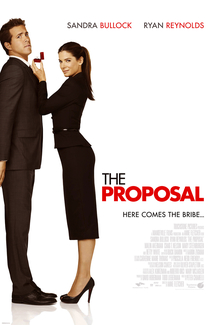
Film opening for proposal
The opening of the film proposal sets the genre of a romantic comedy through varies ways. Firstly we see a man and women whom we notice are going to be the main character throughout the film. We can see that they are both totally opposite as the women is exercising before work in the morning and up on time whereas the boy is late for work and slept through his alarm. However, as the film goes on we can see that they have similar work roles and therefore are going to be together a lot so we can encode that they are going to be close with each other.

The camera shots at the start of the film are one after the other; this shows them both having a conversation with each other and shows that the two main characters are close with each other. Also, by us not hearing much from the other characters at the beginning all our attention is on them two and it gives us the idea that the two characters are close.

The music at the start of the film is positive music which sets the scene of the characters getting along and something good between them two is going to happen. However we do see many challenging stereotypes as the man has lower status than the women. The women look like a successful business women and is the manager and the man follows the manager and listens to what the women has to say.

We can straight away see where the film is going to be set because we see a snapshot of the building through the women’s window. We get the thought that it is in New York City, which we straight away think this is going to be a romantic genre and the yellow taxis make us think of new York city even more.


When the woman goes into work everyone ignores her, as if she is a high authority figure and everyone listens to her and doesn't dare say a word. However, because the man talks to the women it shows that he is different to the others and they have a close relationship. She also shows that she is interested in him and she talks about what coffee he likes.

Film making and editing


Cuts and transitions

The dissolve
·         when the new shot takes over the previous shot
·         Shows the passing of time
·         Used to move from one scene to another

The jump cut
·         Jumping from one scene to another

The match cut
·         When you match up two similar shapes, objects, spaces one from another
Parallel editing
·         Continuously alternating two or more scenes that happen simultaneously but in different locations.
·         Used to mislead the viewer and build suspense/tension
Cutting Rhythm
·         Fast/slow
·         Action-fast
·         Romance-slow
Sound editing
·         Different layers of sound; music,dialogue,ambience(wind) foley (human sounds)
·         They might add sound effects

Camera movement
Pan and tilt
·         Can be used to release elements
·         Pan- rotating the camera
Dolly and trucking
·         Dolly- camera moving forward or away from the object
·         Truck- side to side to set pace of scene or to follow characters to gain insight into them.
Sled and vest
·         Counter balance, smoothly past each character
Boom
·         Camera on arm pivot on a fixed point high and low angle shot

Framing techniques
Full shot-context and character, more than one character is shown
Medium full shot- cut between subjects knees
Medium close shot- less environment more emotional state in the character, can include objects
Close shot- focus on emotional world of characters face conveys information-eyes centre peace
Wide close up-gain access in characters inner world, just below shoulders
Full close up- eyes top 2 thirds in frame, can cut top of head
Medium close up- cut out part of head, dig deeper in characters mind
Extreme close up- chins below the framework